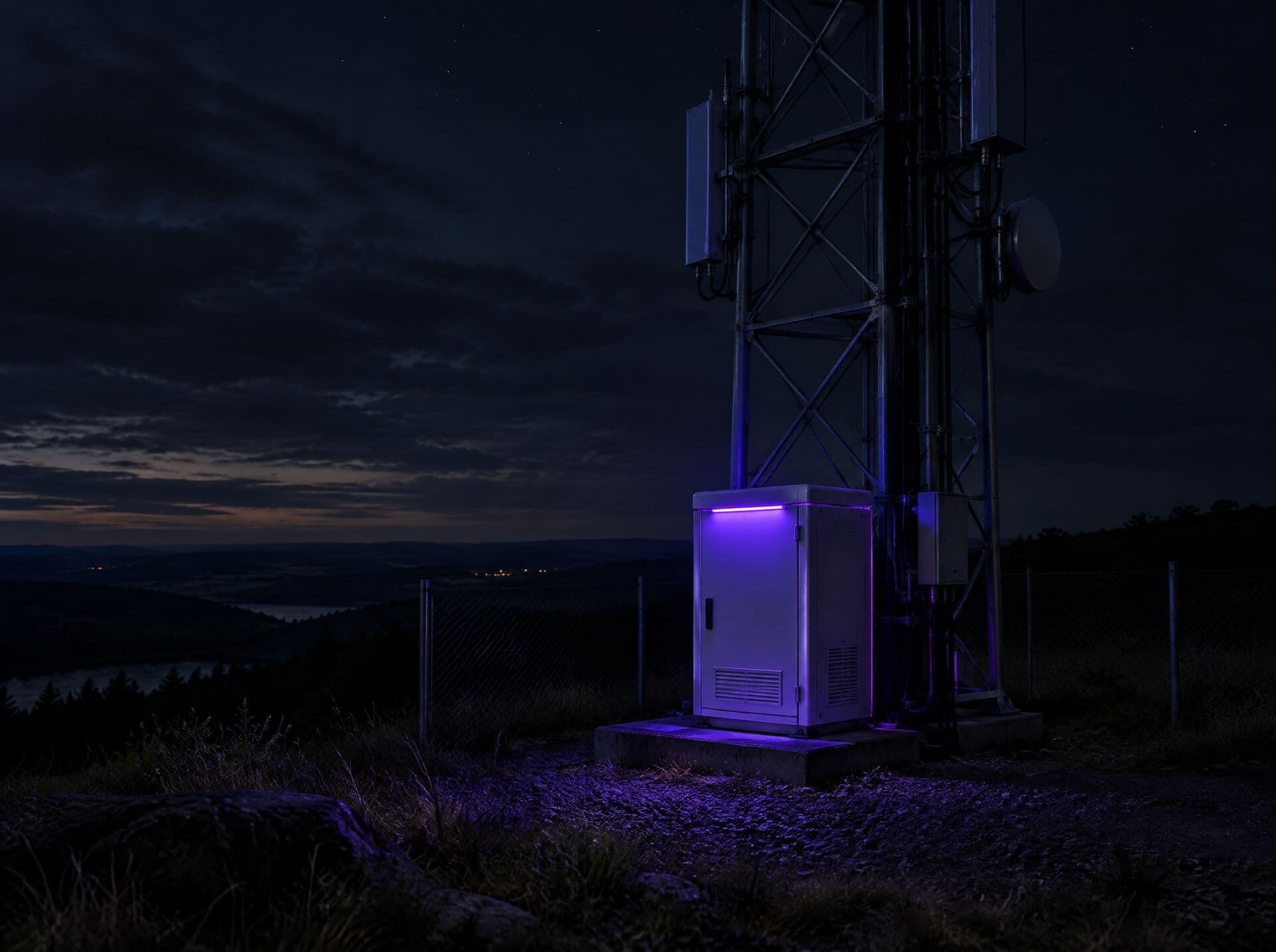
A live camera, rebuilt from descriptors sent over FM.
Each two-second segment is imploded at the camera and named by fifteen characters. The descriptors ride an FM data channel, and the control room regenerates the feed. Data rates are being validated.
Data centre and edge, Media and streaming
Video where the link is thin.
Remote cameras often sit at the end of thin, costly links. Here each segment is imploded at the camera and only its descriptor is broadcast. The picture is regenerated in the control room. What changes in the scene must also reach the receiving cell; how much of that can ride on FM is being validated.
- For
- Security, broadcast, utilities and remote sites
- What travels
- One descriptor for each two-second segment
- What stays put
- The video, held as strands
- Products
- Relay, SDK, Reference designs
From streaming the picture to streaming its names
- A live feed needs megabits a second, end to end.
- Remote sites pay for links sized to the video.
- Every receiver gets a copy of the stream.
- The descriptor stream is about 16 bytes a second (illustrative).
- The feed is regenerated in the control room, segment by segment.
- Only the receivers a grant allows can open it.
Figures are illustrative. FM data rates and the rate of new picture material are being validated.
Watch a live feed cross the air.
A camera, a transmitter on 92.5 FM and a control room. Scroll inside the demo or press Play; turn on CC for the narration.
- 01Implosion
Each two-second segment is fingerprinted. What the cell already holds locks on; what changed in the scene is added.
- 02Transmission
One descriptor for each segment goes out on an FM data channel.
- 03Regeneration
The control room's grant and secure element are checked before the feed opens. Each segment is rebuilt, checked bit-exact, and plays on the main screen about one segment behind.
Demo with illustrative values. FM data rates and the rate of new picture material are being validated.
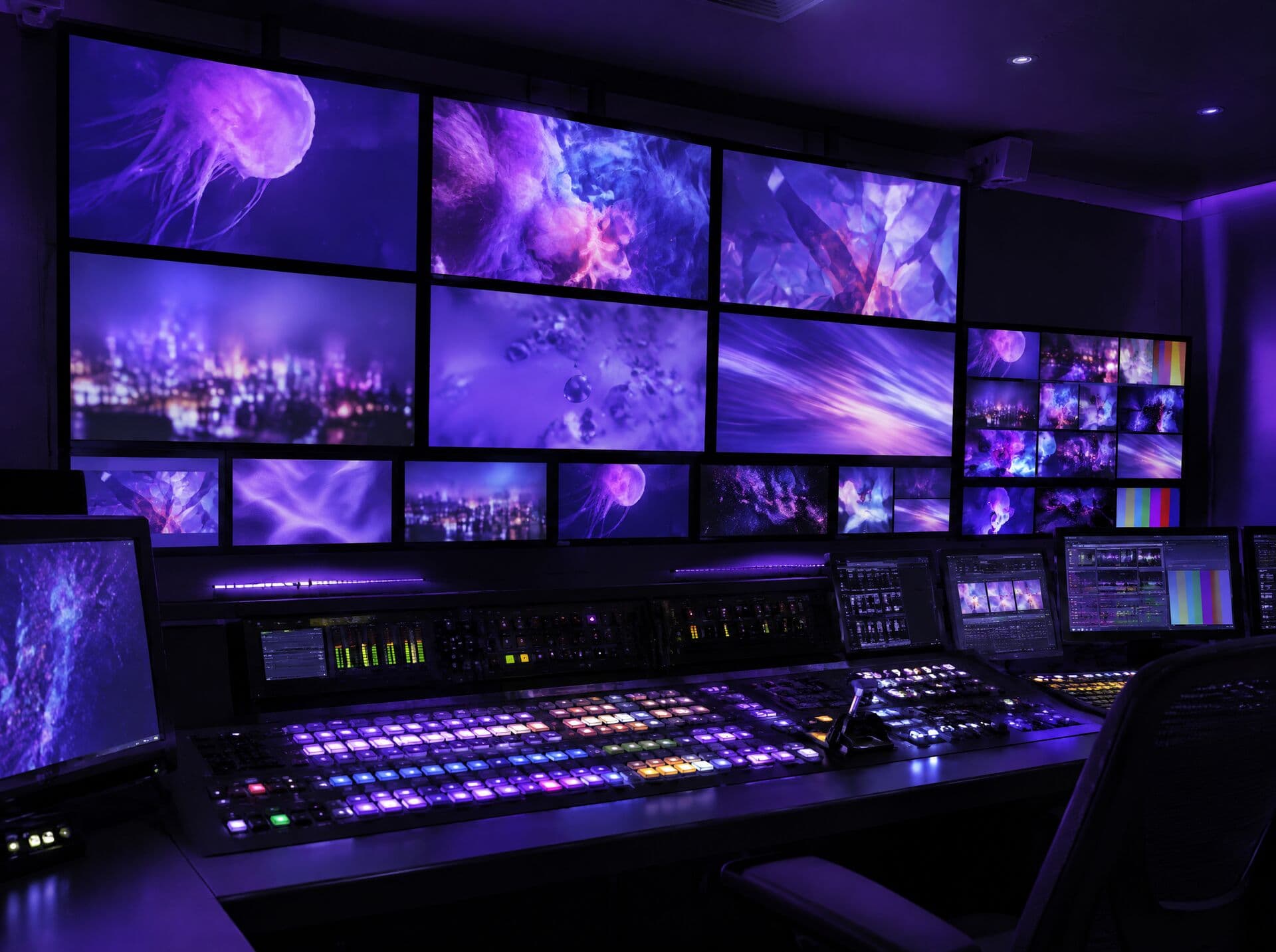
A camera on a remote site, watched from the city.
- 01First
The camera's segments are imploded on site.
- 02Then
Their descriptors are broadcast on an FM data channel.
- 03Finally
The control room regenerates the feed and keeps a bit-exact record of every segment.
Example scenario, not a customer deployment.
What holds, every time
A copy received anywhere else stays shut.
The descriptors need a narrow channel. [Capacity per channel: being validated.]
Each segment's root is recomputed and must match before it plays.
 Relay
 SDK
 Reference designs
Questions about live video over radio
Draft answers. To confirm with product and engineering.
Does the video itself go over FM?
No. The video is far larger than an FM data channel carries. Only the descriptors go over the air; picture material the receiving cell lacks must also reach it. How much can ride on FM is being validated.
How far behind live is it?
In the demo, about one segment. Real figures depend on the channel and are not yet published.
Does it need a particular radio?
[Supported channels and hardware: to confirm with engineering.]
Build live video on the engine.
Reference designs and the SDK, under an evaluation licence.